 +49 176 320 217 64
  Mo: By appointment, Tu: 14:00 - 18:00, We: By appointment, Th, Fr: 9:00 - 18:00, Sa: By appointment
  Oeder Weg 2-4, 60318 Frankfurt am Main





Facial Palsy and Medical Acupuncture: A Modern Approach to Nerve Recovery
Facial palsy, the sudden or gradual weakening of the muscles on one or both sides of the face, can be an unsettling experience. Beyond the physical symptoms, it often affects how a person communicates, eats, and expresses emotion, which can take a real toll on daily life and self-confidence. A growing body of clinical research points to medical acupuncture as a supportive, evidence-informed option for facial nerve recovery, used alongside conventional medical care.
Understanding Facial Palsy
Facial palsy occurs when the facial nerve (cranial nerve VII) is damaged, inflamed, or compressed, disrupting the signals that control facial muscles. The result can range from mild drooping to complete paralysis on the affected side. The most familiar form is Bell's palsy, but facial paralysis can also result from viral infection, trauma, surgery, or neurological conditions such as stroke.
Recovery timelines vary widely. Some cases resolve within weeks, while others require months of targeted rehabilitation. Early, consistent intervention is generally associated with better long-term outcomes, which is why a combined approach of conventional treatment plus supportive therapies like medical acupuncture is increasingly recommended by clinicians.
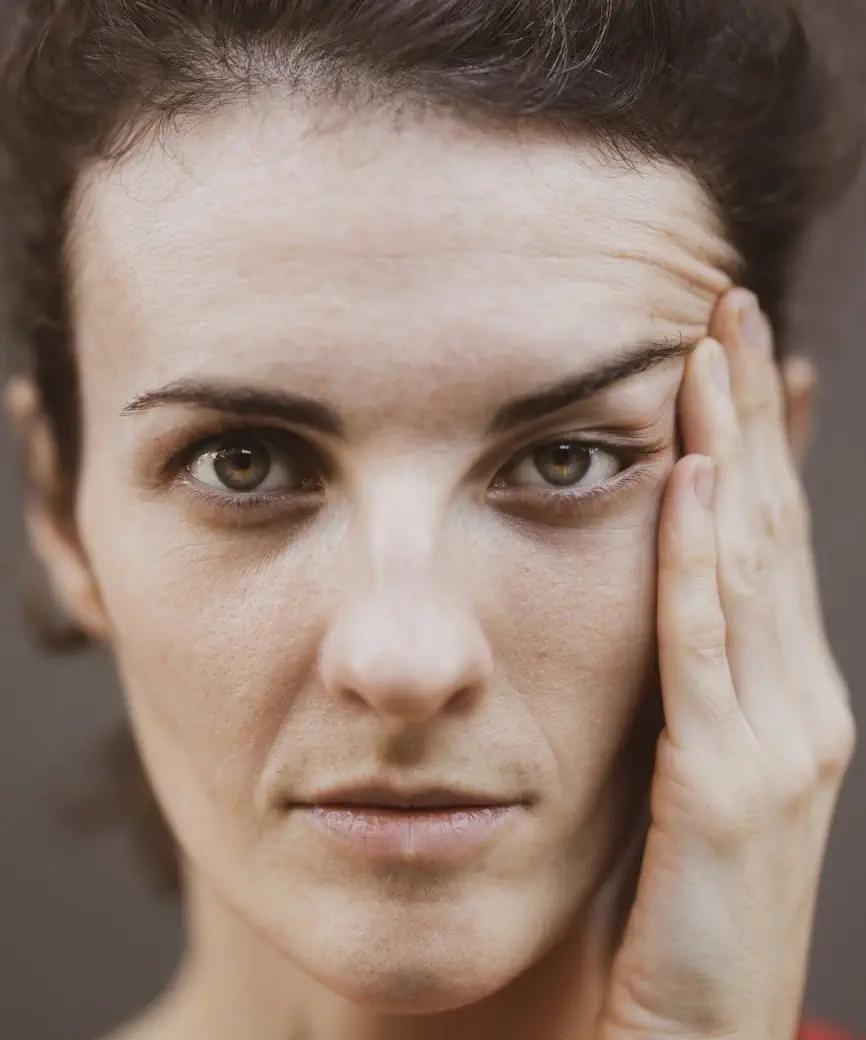
Common Causes and Symptoms
Facial palsy is not a single condition but a symptom of an underlying issue affecting the facial nerve. Common contributing factors include:
- Viral infections, such as herpes simplex or herpes zoster (Ramsay Hunt syndrome)
- Bell's palsy of unknown or idiopathic origin
- Stroke or other central nervous system events
- Trauma, including facial injury or surgical nerve damage
- Lyme disease and other inflammatory or autoimmune conditions
- Tumors affecting the facial nerve pathway
Regardless of cause, the symptoms often overlap: drooping on one side of the face, difficulty closing the eye, uneven smile, drooling, altered taste, and in some cases, pain around the jaw or ear. These symptoms can appear suddenly and progress over 24 to 72 hours, which is why prompt medical evaluation is essential before starting any complementary treatment.
Make an appointment today and start your journey to lasting relief.
Book Appointment
How Medical Acupuncture Supports Recovery
Medical acupuncture is practiced by physicians trained to apply acupuncture techniques within a conventional medical framework, integrating anatomical and neurological knowledge with targeted needle placement. For facial palsy, this typically means stimulating specific points along the face, head, and body to encourage nerve signaling, reduce inflammation, and support muscle tone in the affected area.
Clinical interest in this approach has grown because facial palsy recovery depends heavily on nerve regeneration and neuromuscular re-education — both processes that appear to respond to the localized stimulation acupuncture provides. It is generally introduced as a complement to standard care, such as corticosteroids, physical therapy, or antiviral medication, not as a replacement for it.
The table below outlines how acupuncture is commonly used to address specific symptoms associated with facial palsy.
| Symptom | How Medical Acupuncture Helps |
|---|---|
| Facial drooping / muscle weakness | Stimulates local nerve points to support muscle tone and encourage symmetrical movement |
| Difficulty closing the eye | Targets points around the orbital area to help improve muscle control and reduce dryness-related discomfort |
| Uneven or limited smile | Encourages neuromuscular re-education to support more balanced facial movement over time |
| Drooling or difficulty with lip control | Supports circulation and nerve function around the mouth to aid coordination |
| Pain around the jaw or ear | Reduces localized inflammation and muscle tension contributing to discomfort |
| Slow or stalled nerve recovery | May support nerve regeneration by improving local blood flow and reducing inflammation at the site of nerve involvement |
What to Expect from Treatment
A first appointment typically includes a detailed medical history and an assessment of the degree and pattern of facial weakness, since treatment is tailored to the individual presentation rather than following a fixed protocol. Sessions are generally well tolerated: fine needles placed at specific facial and body points for a certain period (approx. 30 minutes) while the patient rests comfortably.
Treatment frequency and duration depend on the underlying cause, the severity of nerve involvement, and how the individual responds over time. Many people notice gradual improvements in muscle control and comfort across a course of sessions, though facial palsy recovery is rarely linear. Patience and consistency play an important role.
Living with facial palsy can be emotionally as well as physically challenging, and it is entirely understandable to want options that feel proactive rather than passive. Medical acupuncture offers exactly that: a structured, clinically grounded way to actively support the body's own recovery process, working in partnership with the rest of a care plan rather than in isolation.
Anyone experiencing new or worsening facial weakness should seek prompt medical evaluation, as early diagnosis significantly influences the range of treatment options available.
Alternative Ailments Treatable with Acupuncture: